Shirodhara Explained: Why This "Third Eye" Oil Treatment is Sri Lanka’s Most Famous Therapy
Chathura Fernando
Wellness Writer
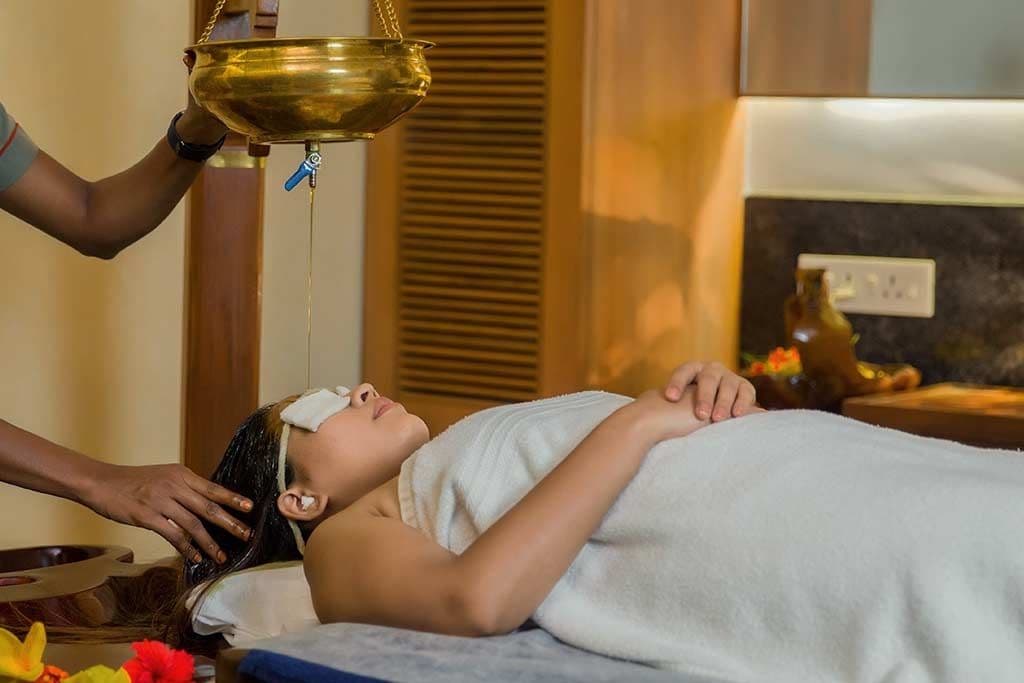
If you search for "Ayurveda in Sri Lanka," you will see the same image over and over again: a person lying on a wooden table, eyes closed, with a stream of golden oil pouring onto their forehead.
It looks cinematic. It looks mysterious. But unlike many travel brochure photos that overpromise and underdeliver, this treatment known as Shirodhara, is every bit as powerful as it looks. In fact, for many travelers suffering from burnout, anxiety, or chronic insomnia, this single therapy becomes the highlight of their entire trip to Sri Lanka.
But what actually happens during that 45 minutes? Does it just feel like water dripping on your head, or is there more to it? Here is a realistic breakdown of the island’s most famous stress-buster.
The Science Behind the Flow
The name comes from Sanskrit: Shiro (head) and Dhara (flow). While it might look like a simple spa ritual, it is actually a precise Ayurvedic medical treatment.
The therapy works by pouring warm, medicated liquid usually herbal oil, but sometimes milk or buttermilk in a continuous, rhythmic stream over the forehead. This specific area is known in Ayurveda as the "Third Eye" or Ajna Chakra. In modern anatomical terms, this spot corresponds to the bundle of nerves connected to the pituitary and pineal glands.
The constant, gentle pressure of the oil creates a vibration. This vibration soothes the hypothalamus, which regulates our emotions and sleep cycles. Essentially, Shirodhara hacks your nervous system. It forces your body to switch from "fight or flight" (stress mode) into "rest and digest" (healing mode).
The Experience: What It Really Feels Like
When you first lie down on the hardwood table, it can feel a bit vulnerable. The therapist will place a small band of cotton or cloth above your eyebrows this is a practical measure to stop the oil from running into your eyes.
Then, the flow begins.
At first, it just feels warm and ticklish. But as the therapist gently swings the copper pot from side to side, covering your temples and forehead, a shift happens. The sensation is often described as a "brain massage."
After about ten minutes, most people lose track of time. You aren't quite asleep, but you aren't fully awake either. You enter a trance-like state known as Turiya. It is not uncommon for guests to have vivid dreams, see colors, or simply feel a profound sense of heavy, warm relaxation washing over their entire body. For high-strung travelers who "can't switch off," this forced shutdown of the busy mind is startlingly effective.
It’s Not Just "Oil" It’s Medicine
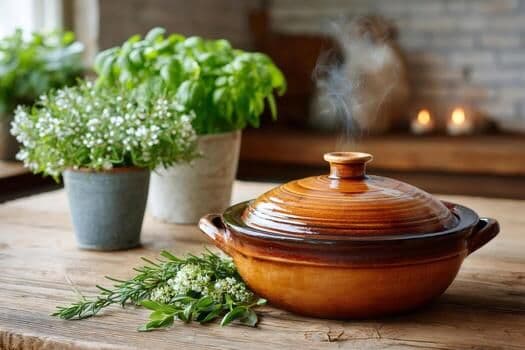
One major difference between a tourist spa and a real Ayurvedic center in Sri Lanka is the oil itself. In a generic spa, they might just use sesame oil. In a proper retreat, the oil is a dark, complex herbal prescription.
Doctors cook these oils for days, infusing them with herbs like Brahmi (good for memory), Ashwagandha (for stress), and Bala (for strength). The skin on your scalp absorbs these medicinal properties. This is why Shirodhara is used to treat serious conditions like migraines, hypertension, and even psoriasis, not just for relaxation.
The "Messy" Reality: Post-Treatment Protocols
Here is the realistic advice that nobody tells you: Shirodhara is messy.
By the end of the session, your hair will be saturated with liters of heavy, herbal oil. In Western culture, our instinct is to jump in the shower and scrub it off immediately. In Sri Lanka, the doctor will forbid this.
You will be asked to leave the oil in your hair for at least a few hours, sometimes overnight. The longer it sits, the more your nervous system benefits. You will walk around the retreat looking a bit like a greased seal, but since everyone else looks the same, nobody cares.
You must also protect your head from the wind and cold (even air conditioning). The pores on your scalp are wide open. Exposure to cold wind immediately after Shirodhara can cause headaches or stiff necks. This is why you will see guests at wellness retreats wearing white cloth turbans or scarves for the rest of the day.
Who Needs This Treatment Most?
Sri Lanka is the perfect place to try this because the humidity keeps the oil warm and liquid, preventing it from getting sticky or cold.
If you are someone who checks their work emails at 10 PM, grinds their teeth at night, or feels a constant low-level buzz of anxiety, Shirodhara is your medicine. It is not about pampering; it is about physically resetting the electrical impulses in your brain.
You will leave the table with messy hair and oil in your ears, but you will likely sleep better that night than you have in a decade.
Enjoyed this story? Share it
About the Author
Chathura Fernando
A passionate wellness explorer and storyteller dedicated to uncovering ancient Ayurvedic wisdom, serene yoga sanctuaries, and the transformative healing traditions of Sri Lanka.