The Best Time to Visit Sri Lanka for Wellness (Ayurveda Seasonal Guide)
Dulaj Wickramasinghe
Wellness Writer
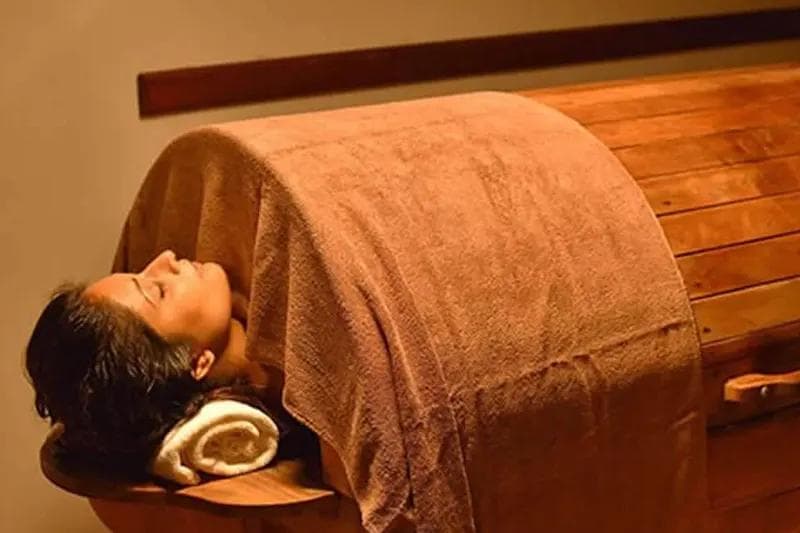
If you look up "Best time to visit Sri Lanka" on Google, the answer is almost always: December to March.
That is the peak season. The sky is blue, the ocean is calm, and the hotels are full. If you are coming for a beach holiday or to get a tan, that is good advice.
But if you are coming for serious Ayurveda, deep healing, or a detox, the standard advice is wrong.
In the ancient texts of Ayurveda, the dry, hot season is actually considered the worst time for treatment. The best time? The Monsoon. Known as Varsha Ritu (the rainy season), this is when the earth cools down, the dust settles, and the body becomes soft and receptive. Here is why you should consider booking your wellness trip when everyone else is staying home.
The Science of Rain and Pores
Think about your skin in winter or dry heat. It contracts. It gets dry and tight. The pores close up to preserve moisture.
Now think about a steam room. The heat and humidity make your pores pop open.
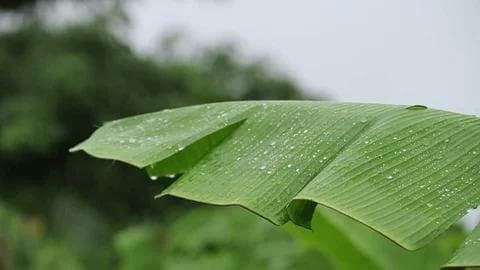
Ayurveda relies heavily on oil absorption. The medicated oils need to penetrate deep into your tissues (Dhatus) to pull out toxins. During the Sri Lankan Monsoon (roughly May to September in the South), the natural humidity is high. The air is moist. This softens the body’s channels (Srotas) and keeps your pores naturally open.
This means the treatments work faster. The oil sinks in deeper. You don't need artificial steam because the climate is doing half the work for you.
Temperature Control: Avoiding the "Pitta" Spike
Many Ayurvedic treatments like pouring hot oil or drinking ghee generate intense internal heat.
If you do these treatments in February, when the sun is blazing and the temperature is 32°C (90°F), your body can overheat. You might feel dizzy, angry, or exhausted. This is a "Pitta" aggravation.
During the monsoon, the ambient temperature drops to a comfortable 26°C (78°F). The rain cools the roof. The breeze is fresh. This external coolness balances the internal heat of the medicine. It allows you to endure deeper, stronger treatments without feeling drained.
The "Monsoon Cure" (Karkidaka Chikitsa)
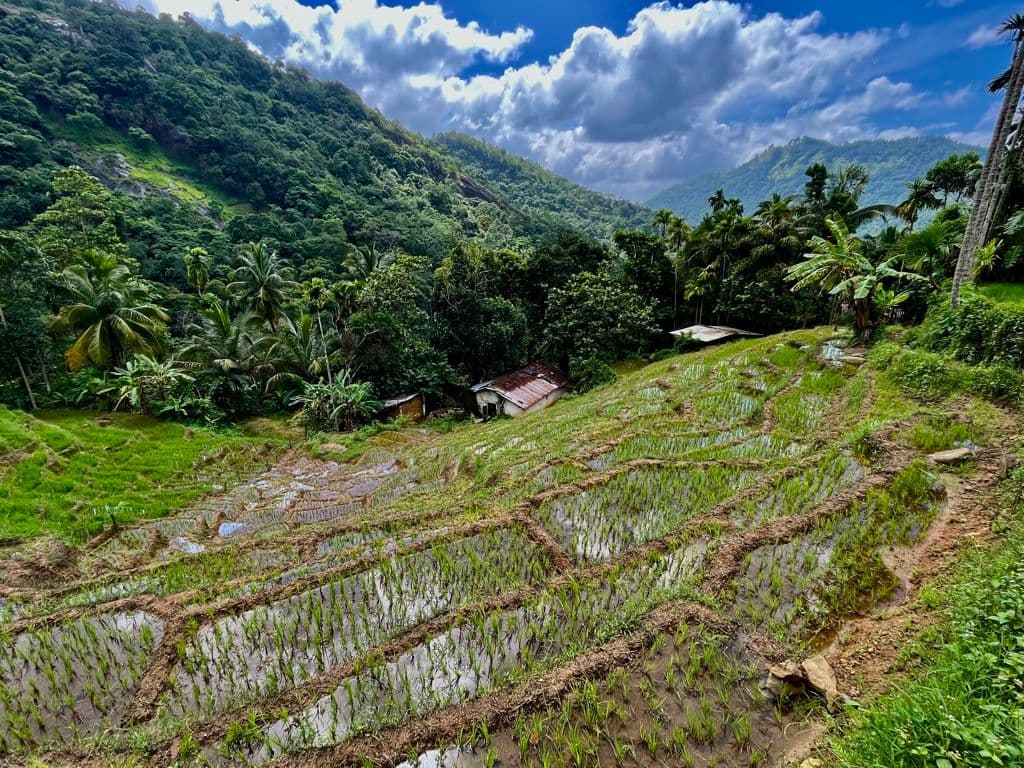
This isn't just a theory; it is a tradition. In Kerala (India) and Sri Lanka, locals traditionally undergo restorative treatments during the rainy season.
It is a time of turning inward. When it is raining outside, you don't feel the "Fear Of Missing Out" (FOMO). You don't feel guilty for sleeping in, reading a book, or spending two hours eating lunch. The weather forces you to slow down. It creates a natural cocoon that supports the mental aspect of a retreat. You aren't distracted by the beach; you are focused on your health.
The Wallet Benefit: Luxury for Less
Let’s be realistic about money. December in Sri Lanka is expensive. Flight prices skyrocket, and the best wellness resorts charge peak rates.
In June, July, or September (the "Wellness Season"), prices crash. You can often stay at ultra-luxury resorts like Santani or Anantara for 30% to 50% less than the winter rate. You get the same doctors, the same food, and the same room often with a free upgrade because the hotel is quiet for a fraction of the cost.
But What If I Hate Rain? (The East Coast Option)
If the idea of rain makes you miserable, you can still find wellness in the sun. You just have to change your geography.
Sri Lanka has two monsoons that hit opposite sides of the island at different times.
- May – September: It rains in the South/West (Galle, Colombo, Hills). This is the time to go to the East Coast (Arugam Bay, Trincomalee, Pasikudah).
- November – January: It rains in the East. This is the time to go to the South/West.
If you visit in July and want a sunny yoga retreat, head to Arugam Bay. It will be dry, hot, and sunny, while Galle is getting soaked.
Summary
Go in Winter (Dec-Mar) If:
- You want a "Holiday + Yoga" trip.
- You want to swim in the ocean every day.
- You want to surf on the South Coast.
- You don't mind crowds and higher prices.
Go in Monsoon (May-Sept) If:
- You are coming for a serious medical detox (Panchakarma).
- You want privacy and silence.
- You want the best value for money.
- You love the sound of rain and lush, green nature.
Don't let the weather app scare you. In Sri Lanka, the rain is just another form of medicine.
Enjoyed this story? Share it
About the Author
Dulaj Wickramasinghe
A passionate wellness explorer and storyteller dedicated to uncovering ancient Ayurvedic wisdom, serene yoga sanctuaries, and the transformative healing traditions of Sri Lanka.