Western Medicine vs. Ayurveda: Why Travelers are Choosing Sri Lankan Healing
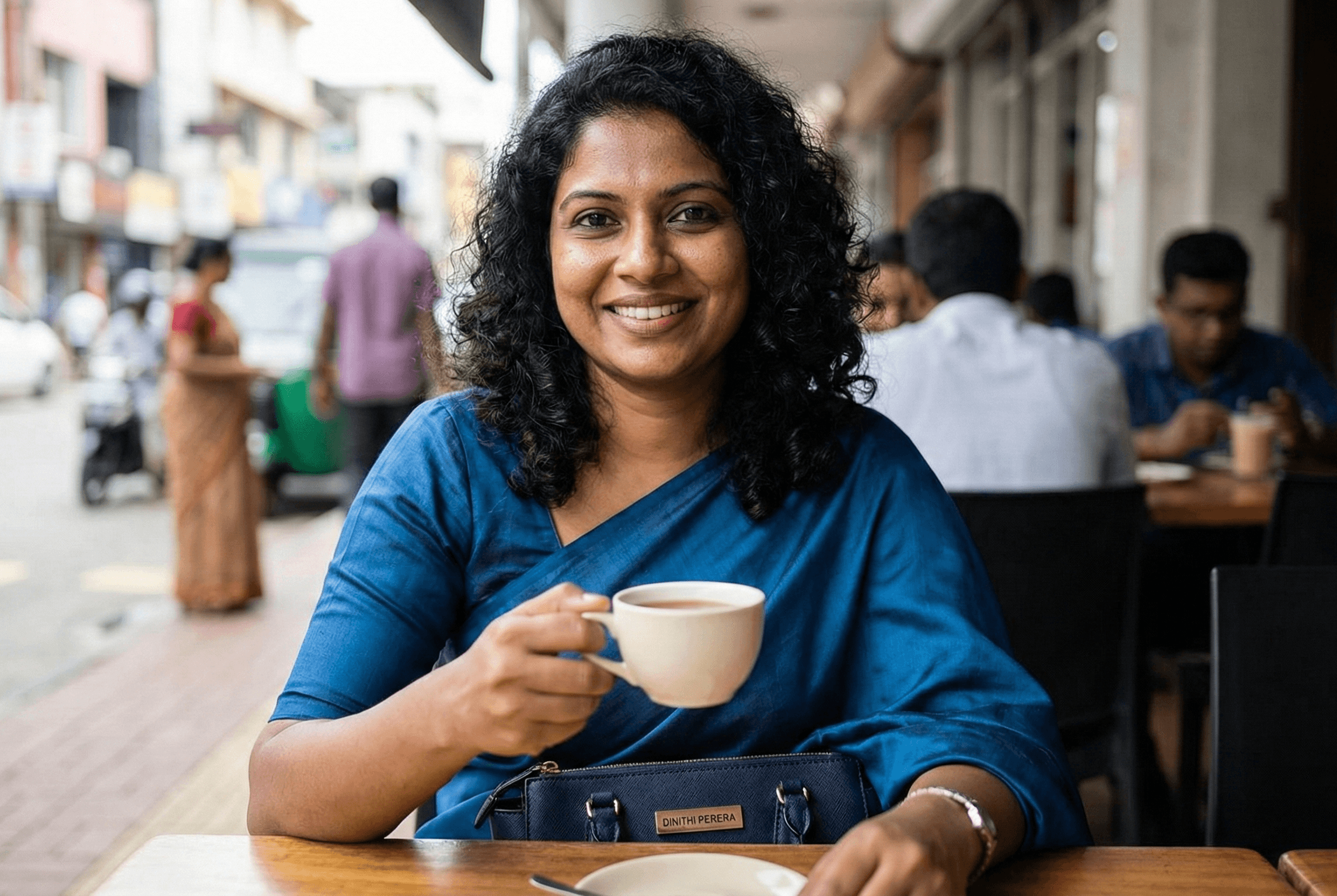
Dinithi Perera
Wellness Writer
For most of us growing up in the West, "medicine" means a white sterile room, a ten-minute consultation, and a prescription for pills that mask the pain. It is a system designed for emergencies. If you break your leg or have an acute infection, Western medicine is a miracle.
But what happens when you are just... tired? What happens when the doctor says your blood tests are "normal," but you still feel sluggish, bloated, or anxious? What happens when the pills stop working, or the side effects become worse than the cure?
This is usually the moment people book a flight to Sri Lanka.
They don't come because they reject science. They come because they have hit a wall. They are the "revolving door" patients people treating chronic gut issues, stress burnout, or skin conditions that Western dermatology has failed to fix. In Sri Lanka, they find a system that asks a completely different question. Western medicine asks, "What is the disease?" Ayurveda asks, "Who is the patient?"

Pulse Reading vs. Blood Tests
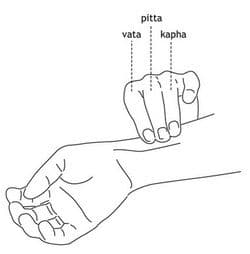
The difference hits you in the very first consultation. In a Western clinic, you are often reduced to a set of numbers on a chart. In a Sri Lankan Ayurvedic retreat, the doctor begins by holding your wrist.
This is Nadi Pariksha (pulse diagnosis). They aren't just counting your heart rate. They are feeling the subtle vibrations of your deep tissues to determine your Prakriti (your original constitution) and your Vikriti (your current imbalance).
A skilled Sri Lankan Veda Mahaththaya (traditional doctor) can often tell you about your sleep patterns, your digestion, and your emotional state before you even say a word. It feels less like a medical exam and more like being really, truly seen. For a traveler who has spent years being dismissed by specialists, this level of attention is often the first step in healing.
Treating the Root, Not the Symptom
Let’s look at a realistic scenario often seen in Sri Lankan retreats: The Case of the Bloated Belly.
The Western Approach: You have acid reflux and bloating. You get prescribed antacids or proton pump inhibitors. These suppress the stomach acid. You feel better for a few hours, but the moment you stop the pills, the fire returns. The root cause your digestion is never fixed; it is just silenced.
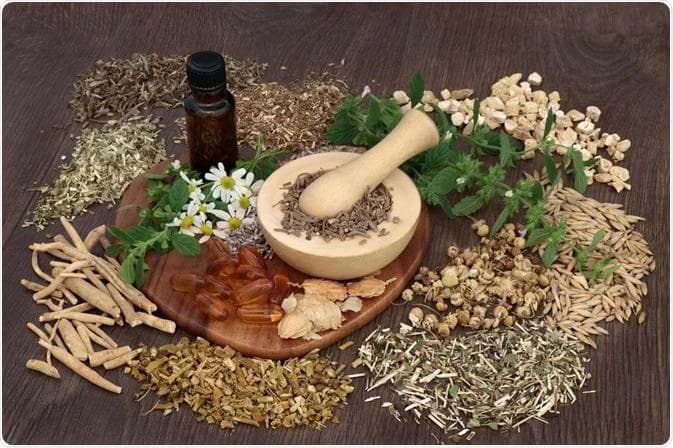
The Ayurvedic Approach: The doctor looks at why you have the bloating. Is it stress (Vata imbalance)? Is it too much heat in the body (Pitta)? Instead of suppressing the fire, they might give you bitter herbs to cleanse the liver, or warm oils to calm the nervous system. They change your diet to remove the specific foods triggering your body type.
The goal isn't to make the pain go away today. The goal is to repair the digestive engine so the pain never comes back.
The "Slow Medicine" Reality Check
However, a blog about realistic healing needs a disclaimer: Ayurveda is slow.
We are addicted to the "instant fix" of Western painkillers. If you have a headache, you take a pill, and it's gone in 20 minutes. In Sri Lanka, if you have a headache, the doctor might massage your head with oil, give you a herbal decoction that tastes like mud, and tell you to sleep at 9 PM. The headache might not vanish instantly.
Ayurveda works on the principle of Krama (steps). It peels back the layers of illness slowly. Travelers need to manage their expectations. You cannot undo ten years of bad lifestyle choices in a three-day weekend. This is why most serious wellness retreats in Sri Lanka recommend a minimum stay of 14 to 21 days. It takes time to rewrite your body’s biology.
It’s Not Always "Versus"
The most interesting part of the wellness scene in Sri Lanka today is the integration. The best Ayurvedic doctors here are not anti-science. Many of them hold degrees in Western medicine as well as Ayurveda.
They know when to use technology and when to use nature. If you have a bacterial infection, they might tell you to take antibiotics. But they will also give you probiotics and cooling herbs to protect your gut from the antibiotics' side effects.
This balanced approach is why Sri Lanka is becoming a global hub for medical tourism. You aren't choosing between magic and science. You are choosing a holistic system that respects the body’s ability to heal itself, provided you give it the right tools.
Why You Should Make the Switch
If you are happy with your current health, stay on your path. But if you feel like you are constantly fighting your own body, dragging yourself through the day with caffeine and sugar, and managing symptoms rather than living life, it might be time to look East.
Western medicine keeps you alive. Ayurveda helps you live. In the quiet, green hills of Sri Lanka, you realize that health isn't just the absence of disease it is the presence of vitality.
Enjoyed this story? Share it
About the Author
Dinithi Perera
A passionate wellness explorer and storyteller dedicated to uncovering ancient Ayurvedic wisdom, serene yoga sanctuaries, and the transformative healing traditions of Sri Lanka.