What is Panchakarma? A Realistic Guide to Sri Lanka’s Ultimate Detox

Ella Thompson
Wellness Writer
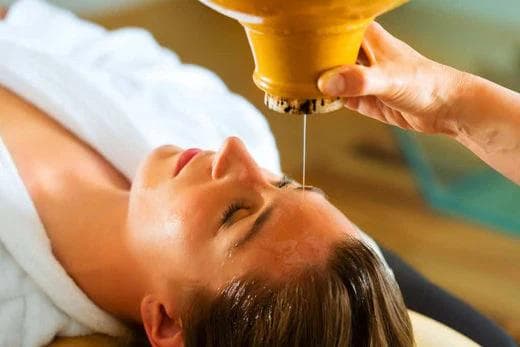
You arrive in Sri Lanka, and the humidity hits you instantly. The air is thick, warm, and smells faintly of cinnamon and damp earth. While most tourists head straight for the beaches or the tea plantations, you are here for something deeper. You are here for Panchakarma.
If you have been researching wellness travel in Sri Lanka, you have likely seen this word everywhere. It is promised as the ultimate reset button for your body and mind. But let’s be honest most brochures make it look like a week of gentle massages and flower baths.
Real Panchakarma is not a spa vacation. It is a serious, ancient medical process. It is intense, it can be challenging, and it is arguably the most transformative thing you can do for your health. Before you book your ticket to Colombo, here is the realistic, unfiltered truth about what a Panchakarma detox in Sri Lanka really looks like.
Understanding the "Five Actions"
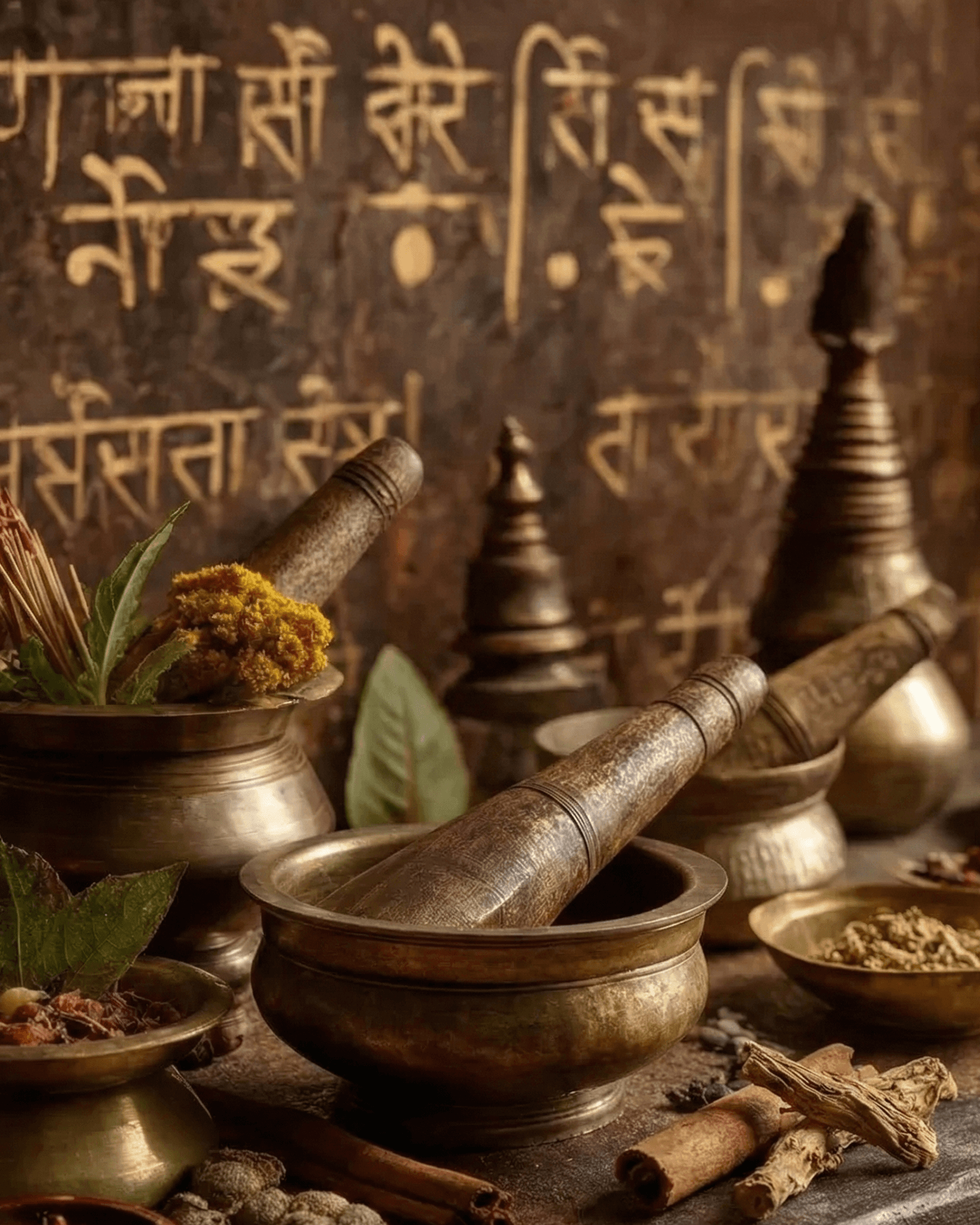
The word Panchakarma literally translates to "Five Actions" or "Five Treatments." In Ayurveda, the belief is that our bodies accumulate toxins called Ama over years of stress, poor diet, and environmental pollution. These toxins stick deep in our tissues, causing fatigue, inflammation, and chronic disease. Regular detoxes might clean the surface, but Panchakarma is designed to pull these toxins out by the root.
It isn't a one-size-fits-all package. Depending on your body type (Dosha) and your specific health issues, the Ayurvedic doctor will prescribe a combination of five major purification methods. These range from Virechana (therapeutic purgation) to the more intense Vamana (therapeutic vomiting), though the latter is only used for specific medical conditions.
The Preparation Phase: It Starts Before the Detox
You don’t just walk in and start detoxing. The first few days of your retreat in Sri Lanka are known as Purvakarma, or the preparation phase. This is arguably the most enjoyable part of the process.
The goal here is to "ripen" the toxins and move them from your deep tissues into your digestive tract so they can be expelled. You will spend days being massaged with warm, medicated herbal oils. You might sit in a steam box where herbal steam opens your pores (Swedana). You will likely be given ghee (clarified butter) to drink in increasing quantities every morning.
This internal and external oiling lubricates your system. Imagine trying to bend a dry stick it snaps. But if you soak that stick in oil, it becomes flexible. That is exactly what is happening to your body.
The Reality of the Treatment
This is the part most travel blogs gloss over. Once your body is prepared, the main elimination treatments begin. This is where the "realistic" part of your journey kicks in.
On the main detox days, you won't be lounging by the pool with a cocktail. You will be in your room, close to a restroom, processing the treatment. Whether it is a purgative therapy or an herbal enema (Basti), the process is physical. You might feel tired, emotional, or heavy. This is known as the "healing crisis."
As the toxins release, they often bring up old emotions. It is common for guests to cry for no reason or feel sudden bursts of anger followed by immense relief. The retreat doctors and therapists in Sri Lanka are experts at handling this. They provide a safe, nurturing space where you can be vulnerable. It is not always pretty, but it is profoundly effective.
The Diet: Simple, Warm, and Healing
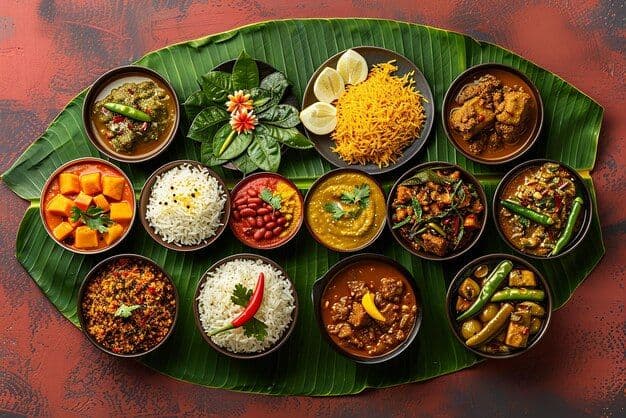
Forget the buffet. During Panchakarma, your digestive fire (Agni) is sensitive. To support the detox, you will eat a strictly controlled diet. In Sri Lanka, this usually means red rice, mung beans, cooked vegetables like pumpkin and snake gourd, and mild coconut curries.
You will not find cold salads, raw smoothies, or heavy meats here. Everything is cooked warm to aid digestion. You will also be asked to avoid caffeine, alcohol, and refined sugar entirely. At first, your palate might rebel. But by day four or five, you will be surprised at how sweet a simple piece of papaya tastes and how energized you feel without the sugar spikes.
Why Sri Lanka is the Perfect Place for This
You could technically do Panchakarma in a city clinic in Europe, but the results wouldn't be the same. Ayurveda explicitly states that a warm, humid climate is essential for the treatment. Sri Lanka’s tropical weather keeps your pores naturally open, allowing the herbal oils to absorb deeper and faster.
Furthermore, the island is home to the herbs used in your medicine. The oil poured on your head was likely made from coconuts harvested nearby and herbs grown in the retreat’s own garden. There is a potency to fresh medicine that cannot be bottled and shipped across the world.
The Afterglow: What Happens When You Go Home
The real magic of Panchakarma often happens after you leave. You might finish the retreat feeling a bit weak that is normal. Your body has just run a marathon. But in the weeks that follow, you will notice the shift.
Your skin clears up. The bloating that has plagued you for years disappears. Your energy levels become stable, without the afternoon crash. Most importantly, your mind feels sharp and calm. The brain fog lifts.
Sri Lanka gives you the tools, but the maintenance is up to you. You will leave with a list of herbs to take and dietary advice suited to your body type. You aren't just going home with a tan; you are going home with a reset body and a new understanding of how to care for it.
Is It Worth It?
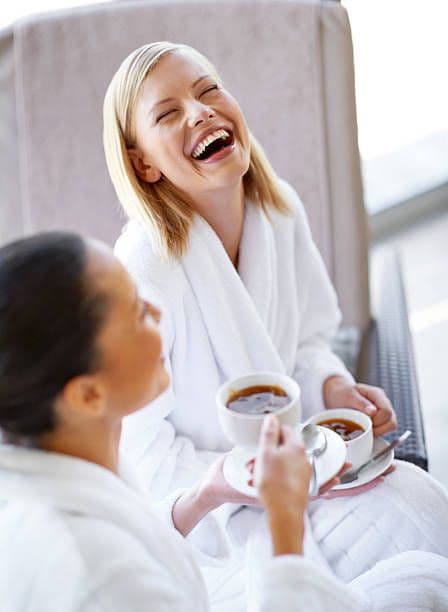
If you are looking for a quick fix or a party holiday, Panchakarma is not for you. But if you are ready to face your health issues head-on, disconnect from the noise of the world, and let the ancient wisdom of Sri Lanka heal you from the inside out, then this might just be the best trip of your life.
Enjoyed this story? Share it
About the Author
Ella Thompson
A passionate wellness explorer and storyteller dedicated to uncovering ancient Ayurvedic wisdom, serene yoga sanctuaries, and the transformative healing traditions of Sri Lanka.